Translate
Global Prayer
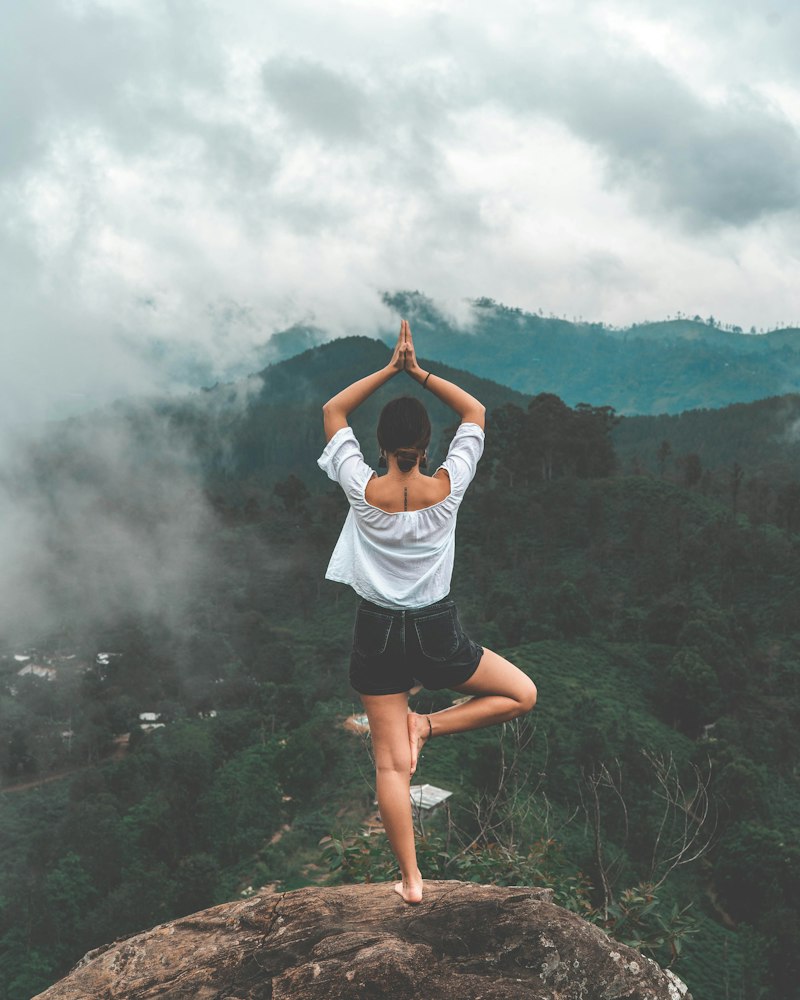
Five seconds in. Two seconds hold. Five seconds out. This is where transformation begins.
Most of us breathe without thinking. The breath happens automatically, shaped by our emotional state — shallow when we are anxious, held when we are afraid, full and slow when we are at peace. But the relationship between breath and emotion runs in both directions. We can use the breath to deliberately shift our inner state.
Heart-centered breathing is a practice drawn from several traditions — HeartMath research, pranayama yoga, and the contemplative Christian practice of hesychasm — all of which discovered independently that slow, rhythmic breathing focused on the heart region produces measurable physiological and psychological benefits.
The basic technique is straightforward. Place your left hand gently on the center of your chest. Breathe in slowly for five counts. Hold for two counts. Breathe out slowly for five counts. Hold for two counts. Repeat this cycle three to four times.
What happens during this practice is remarkable. The heart rate variability — a key marker of nervous system health — shifts into a coherent pattern. The amygdala, the brain's fear center, quiets. The prefrontal cortex, responsible for compassion and wise decision-making, becomes more active. Cortisol levels drop. Oxytocin, sometimes called the "love hormone," rises.
But beyond the physiology, something subtler occurs. When you breathe slowly into the heart center and hold a feeling of gratitude or compassion, you are training your attention to rest in a different place than the thinking mind. Most of us live almost entirely in the head — in the stream of thoughts, plans, worries, and memories. Heart-centered breathing offers a doorway out of that stream and into a quieter, more spacious awareness.
In the Oneness Circle daily practice, we begin with three to four cycles of this breathing before moving into the prayer intention. This is not arbitrary. The breathing prepares the heart. It creates a quality of inner stillness from which prayer arises naturally, rather than being forced or performed.
You can practice this anywhere — before a difficult conversation, during a moment of anxiety, or simply as a morning ritual. The more consistently you practice, the more quickly your nervous system learns to shift into this coherent state. Over time, the gap between stimulus and response widens, and you find yourself responding to life's challenges from a place of greater calm and clarity.
Begin today. Five seconds in. Two seconds hold. Five seconds out. Two seconds hold. Your heart already knows the way.
Daily at 6:30 AM Pacific
Join the Global Prayer Moment